March 8, 2023
Investing in rental properties can provide a steady stream of income and long-term wealth accumulation. However, it's essential to approach this with careful consideration. Below are the biggest mistakes to avoid when purchasing a rental property investment. By being aware of these missteps and taking proactive measures, you can set yourself up for success in the competitive world of real estate investment.
7 Mistakes to Avoid When Buying a Rental Property
- Insufficient Research and Due Diligence
- Ignoring Financial Analysis and Cash Flow Considerations
- Neglecting the Property Inspection
- Overlooking Location and Neighborhood Quality
- Lack of a Clear Investment Strategy
- Not Seeking Professional Advice and Assistance
- Making an Emotional Investment
Insufficient Research and Due Diligence:
One of the biggest mistakes investors make is rushing into a purchase without conducting thorough research and due diligence. Failing to research the market dynamics, neighborhood trends, rental demand, and property history can lead to a poor investment decision. Take the time to analyze comparable property prices, vacancy rates, rental income potential, and any potential issues that could impact the property's value or rental prospects. The more data you can get, the better!
Ignoring Financial Analysis and Cash Flow Considerations:
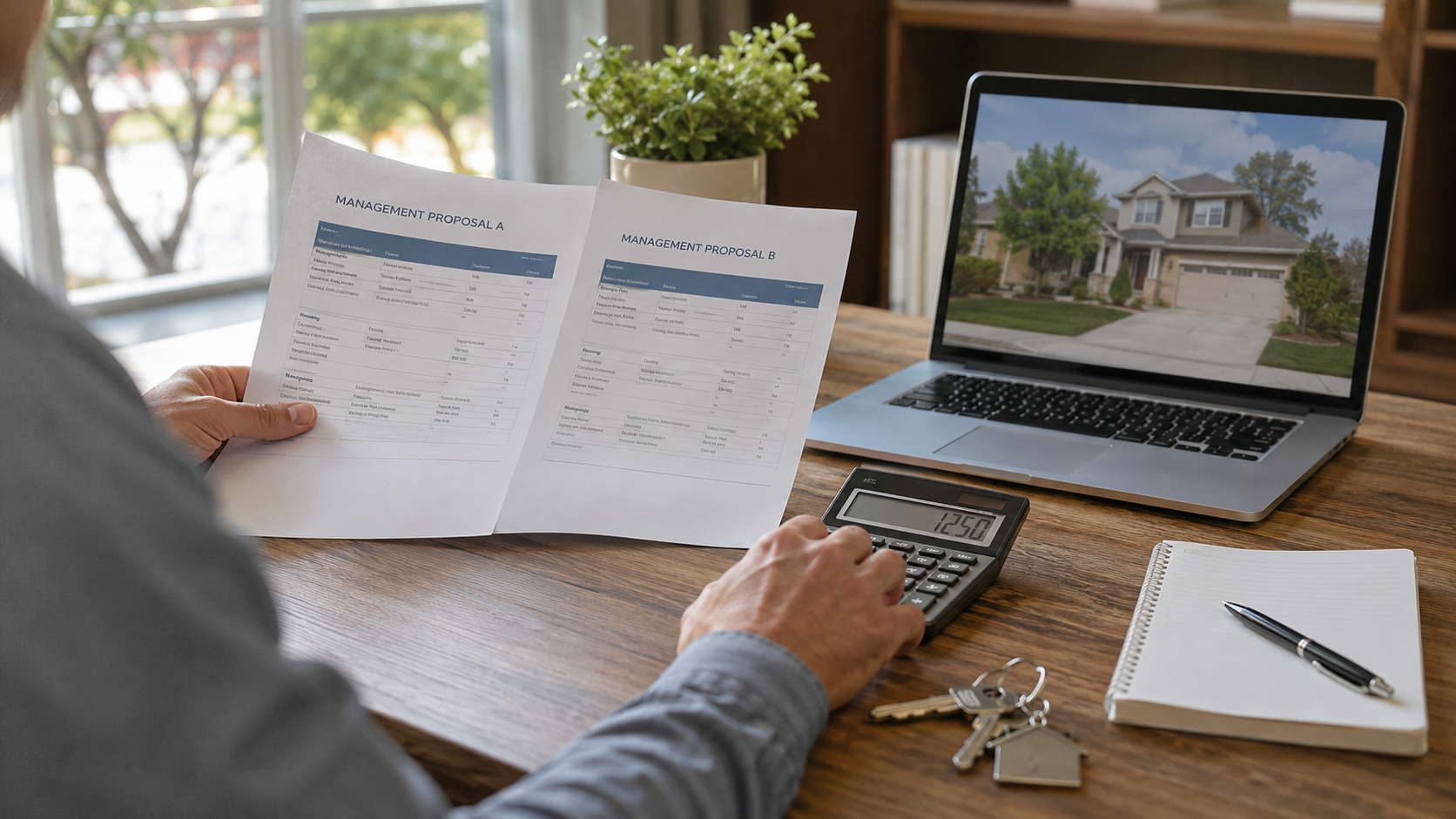
Many investors fall into the trap of underestimating expenses or overestimating rental income, leading to negative cash flow. Ignoring financial analysis and failing to crunch the numbers accurately can result in financial strain and a diminished return on investment. Factor in all costs, including mortgage payments, property taxes, insurance, maintenance, repairs, vacancies, property management fees, and potential capital expenditures. It's also a good idea to have cash reserves incase everything that can go wrong, does. The number 1 rule: Never, ever, EVER, fudge the numbers to make the property work! If the numbers don't work, move on! View Our Pricing to make sure your projections are accurate.
Neglecting the Property Inspection:
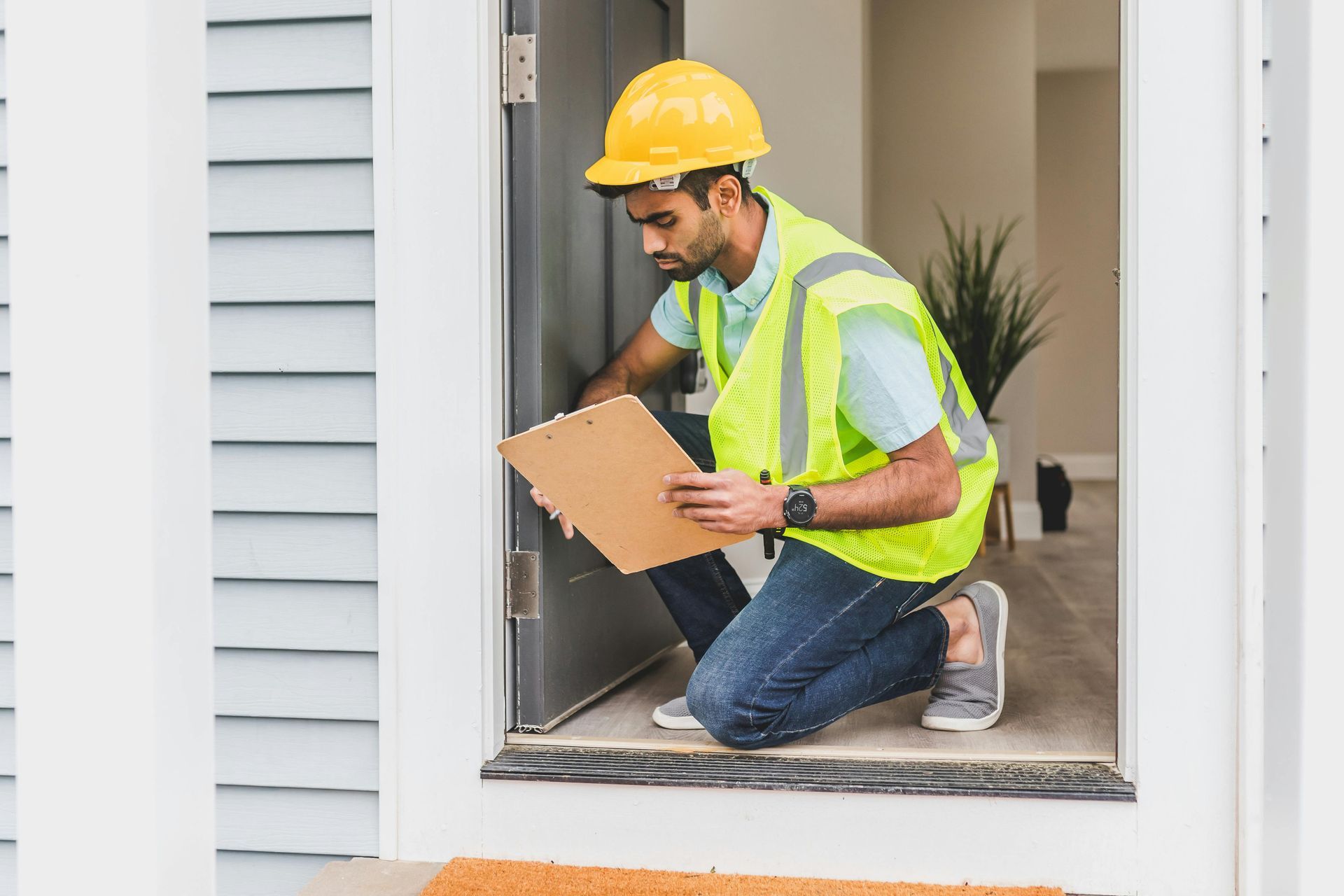
Purchasing a rental property without a thorough inspection can lead to unexpected repair costs and huge headaches. In crazy markets during COVID a lot of buyers were waiving the property inspection in their offers. This often led to bad investments and some owners having to sell on at huge losses. Failing to identify hidden issues such as plumbing problems, structural defects, or outdated electrical systems can drain your finances quickly. Hire a professional inspector to assess the property's condition thoroughly before finalizing the purchase to uncover any potential problems. It is also a great tool in negotiating the final purchase price. Use our Rental Market Analysis Tool to get a clear idea of what your property could rent for.
Overlooking Location and Neighborhood Quality:
The old adage "location, location, location" holds true in real estate investment. Investing in a property in an undesirable location or a neighborhood with declining property values will impact rental income and property appreciation potential. Consider factors such as proximity to amenities, schools, transportation, employment centers, and overall neighborhood desirability. Investing in a prime location with growth potential can also attract quality tenants who take care of your property.
Lack of a Clear Investment Strategy:
Another common mistake is investing in rental properties without a clear strategy in mind. A flipper, long-term investor, wholesaler, etc. all have very different criteria in properties they're looking for. Determine your investment goals, such as cash flow, long-term appreciation, lump sum payout, or a combination. Have a target tenant demographic in mind and tailor your property search and marketing efforts accordingly. A well-defined strategy will guide your decision-making process and help you focus on properties that align with your investment objectives. This investment strategy also needs to include an exit strategy.
Not Seeking Professional Advice and Assistance:
Attempting to navigate the rental property market alone without seeking professional advice can be a costly mistake. Engage with experienced real estate agents, property managers, accountants, and attorneys who specialize in investment properties. Their expertise can provide invaluable guidance in areas such as property selection, negotiation, financing, tax optimization, and legal compliance. Building a network of trusted professionals will increase your chances of making informed decisions and managing your rental property effectively.
Making an Emotional Investment:
Purchasing an investment property and a home for your family are two very different things and should be treated so. Many investors also get caught up in buying an "investment" property out of state that they imagine using for vacations. It is important to have a clear vision for the purpose of the property, along with concrete numbers and projections.
Purchasing a rental property investment is a significant financial decision that requires careful planning and consideration. By avoiding the common mistakes outlined in this blog post, you can mitigate risks and increase your chances of success. It's usually a good rule of thumb to avoid making an emotional decision and go through the above process step by step.
Learn about our Pricing and what makes us Different!