April 8, 2026
Rent amount is the number most landlords fixate on. It shows up at the top of every income statement, it's the first thing discussed when a property goes on the market, and it's often the first lever owners want to pull when they're thinking about improving performance.
We understand why. But in our experience, rent amount is only one part of a much bigger financial picture — and landlords who optimize for rent in isolation often end up with worse annual returns than those who take a longer view.
Here's our honest take on how to think about rent pricing, rent increases, and what actually drives the financial health of a rental property over time.
The Number That Actually Matters Most
Before talking about rent increases, it's worth talking about vacancy.
A vacant unit generates zero income. Not reduced income — zero. And vacancy doesn't just cost you the lost rent. It costs you the turnover: cleaning, paint, carpet, repairs, re-listing, leasing time, and the soft costs of your own time and energy.
In the Boise market, a realistic unit turn — even a relatively clean one — can easily run $500–$3,000+ depending on the property. Add a month of lost rent at $1,800, and you're looking at a $2,000–$5,000 hit to your annual income statement from a single turnover.
That context is everything when it comes to rent-increase decisions.
A Real Scenario: Aggressive Increase vs. Keeping a Good Tenant
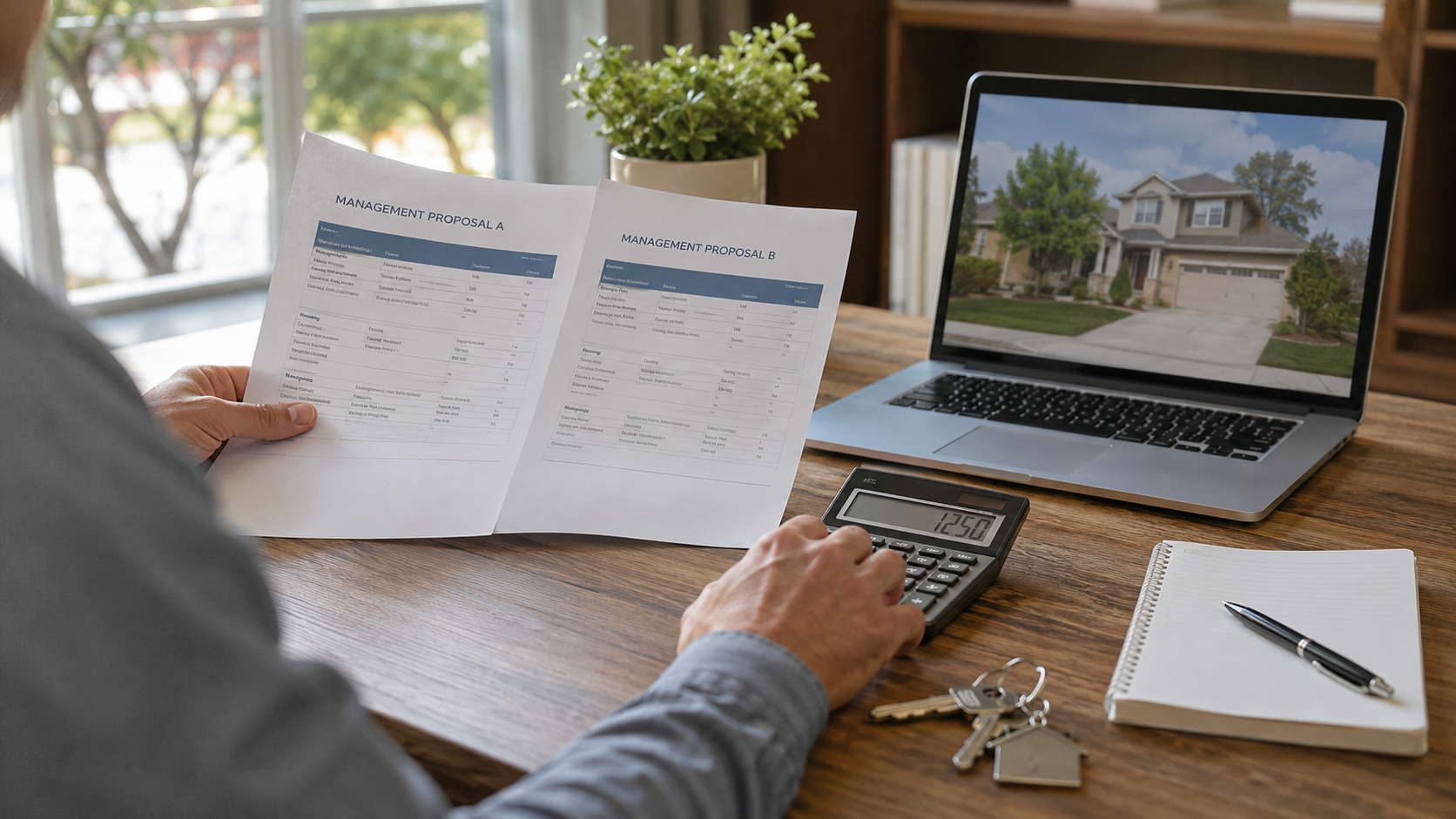
Let's say you have a reliable tenant paying $1,800/month. Their lease is coming up for renewal. You've seen rents creep up in the Boise market and you're considering pushing to $1,950 — a $150/month increase.
Scenario A: Tenant stays at $1,950
- Additional annual income: $150 × 12 = $1,800
Scenario B: Tenant leaves over the increase
- 1 month vacancy: $0 rent
- Unit turn costs: −$1,500
- New tenant at $1,950 for 11 remaining months: +$21,450
- Net annual income: $19,950 (vs. $22,200 if the original tenant had stayed with a more reasonable increase of $50)
That's a risk of losing $2,250 for the possibility of a much smaller gain!
That math changes the conversation. Imagine this scenario repeating itself over a 10 year period. Plus, what if finding a new tenant takes a little longer? The losses add up and the performance of the property plummets.
Furthermore, there are many follow on financial benefits with keeping good tenants for long periods that aren't included here. You can read more about that in our blog on Keeping Good Tenants HERE.
Our Approach to Renewal Pricing
At Bluebird, every renewal starts with a current rental market analysis. We look at comparable properties in the area, recent leasing activity, and current market conditions to identify a fair renewal rate.
But fair to the market isn't the only input. We also weigh:
- How long the tenant has been in place. A tenant who has been there two years without issue has saved the owner thousands in turnover costs. That has real value.
- How the tenant has performed. On-time payments and property care are worth something. These aren't guaranteed with a new tenant.
- Current vacancy rates in the submarket. If similar units are sitting for 3–4 weeks, this isn't the moment to price aggressively.
The result is a recommended renewal rate that reflects the market but also accounts for the full financial picture — not just what's achievable on paper. Ultimately, our decision is what we believe will be in the owner's best interests, in the long term.
Our Opinion: Retention Usually Wins
We lean firmly toward keeping a good tenant over maximizing rent on every renewal cycle. Not because we're soft on revenue — because the math supports it.
The financial health of a rental property is a 12-month income statement, not a monthly rent figure. Owners who focus exclusively on the rent line often miss what's happening on the expense and vacancy lines, which is where most value is actually lost or preserved.
A tenant who pays $50/month below market but stays for three years without a vacancy, without a unit turn, and without a maintenance headache is almost certainly outperforming a series of tenants at market rate with gaps in between.
That said, this isn't a blanket argument for never raising rent. Markets move, costs increase, and it's reasonable to keep pace with both. The goal is a fair increase that reflects reality — not one that tests the ceiling at the expense of a relationship that's working.
Read more about our Leasing Services HERE.
How to Set the Right Rent for a New Listing
When setting an initial rent price — for a new property or a vacancy — we approach it the same way: with a current market analysis, not a gut feeling or a Zillow estimate.
The cost of overpricing a listing is almost always greater than the cost of pricing it accurately and a lower amount. A property listed $150 above market might sit for 6 weeks while similar units rent. That's six weeks of lost income that would take years at the higher rent to recover from.
The better approach: price accurately, rent quickly, and start the tenancy with a tenant who felt they found a fair deal — because that tenant is more likely to stay.
→ Get a free rental analysis from us!
→ Check the Boise market update!
What Influences Rent Pricing in the Boise Market
Several factors shape where a property should be priced:
- Location. Boise, Meridian, Eagle, and the broader Treasure Valley all have different demand profiles and rent ranges. A home in Eagle commands different pricing than a comparable home in Nampa.
- Property condition and finishes. Updated kitchens, modern bathrooms, in-unit laundry, and quality finishes all support higher pricing. Dated properties competing at updated prices typically sit longer.
- Pet policy. Allowing pets — with appropriate deposits and addenda — can meaningfully expand your applicant pool and justify modest premium pricing. Read our blog on Allowing Pets in your Rental HERE.
- Included utilities or amenities. If any utilities are included or the property has features like a garage, yard, or covered parking, those factor into positioning. Listing portals are also becoming more upfront about hidden fees or utility charges tenants can expect.
- Time of year. Rental demand in Boise, as in most markets, is stronger in spring and summer. Properties coming to market in December face a smaller applicant pool and may need to price accordingly.
The Bottom Line
Rent amount matters. But it matters as part of a system — one that includes vacancy rate, turnover cost, tenant quality, and long-term asset performance.
Landlords who understand that system make better decisions at renewal time. They don't leave value on the table, but they also don't chase marginal rent increases that cost them far more than they gain.
If you'd like a current rental market analysis for your Boise-area property, or want to talk through a renewal pricing decision, we're happy to help.
→ Request a free rental analysis
→ Contact Bluebird Property Management
Disclaimer: This blog post is for general informational purposes only and does not constitute legal, financial, tax, real estate, or investment advice. Because laws, regulations, and market conditions change and each situation is unique, you should consult a qualified professional before making any decisions based on this content. Bluebird Property Management makes no guarantee as to the accuracy, completeness, or applicability of the information provided.