
Cash Flow Calculator
Use this cash flow calculator to estimate how much money a rental property may generate each month after operating expenses, mortgage payments, taxes, insurance, maintenance, vacancy, and other recurring costs are accounted for. It is a practical tool for investors and rental property owners who want a clearer picture of whether a property is likely to produce positive monthly income, compare different deal scenarios, and avoid relying on overly optimistic numbers when evaluating a purchase or reviewing an existing investment.
Rental Property Cash Flow Calculator
Estimate monthly and annual cash flow, pressure-test your assumptions, and see whether a deal looks healthy before you go deeper into underwriting.
Income
Expenses
*This calculator is for general informational purposes only and does not constitute investment, legal, tax, or financial advice. Results are estimates and should not be relied on as the sole basis for any real estate decision.
Learn about our Pricing and what makes us Different!
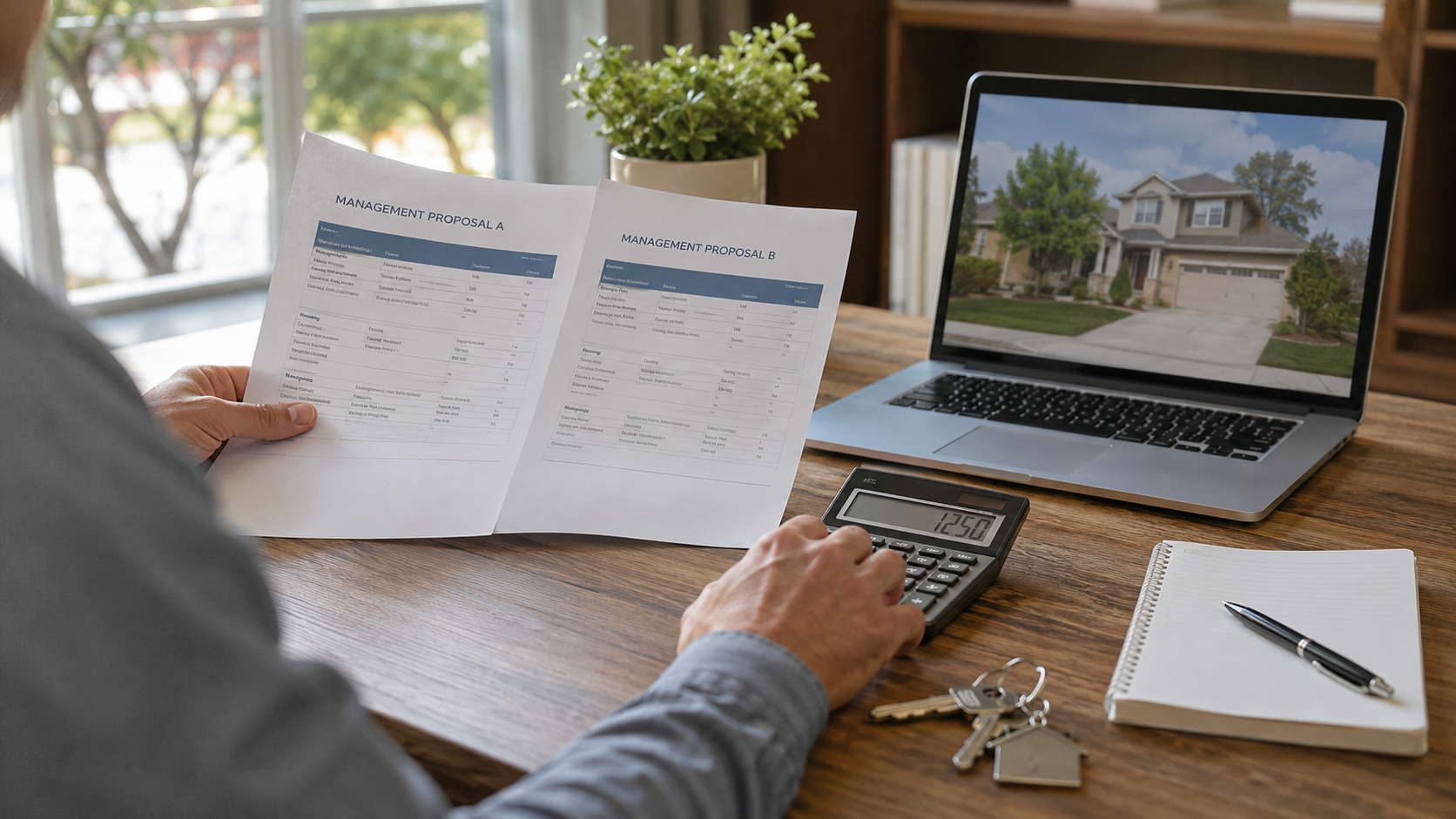
Some property managers advertise a low monthly management fee but collect revenue through tenant fees. Learn why tenant fees can still affect rental owners, vacancy, renewals, and long-term rental performance.

Property management costs more than a monthly fee. Learn how vacancy, pricing, tenant placement, maintenance, AI, hidden fees, and owner time affect your true cost.

Understand the difference between normal wear and tear and tenant damage in Idaho rentals, with examples landlords can use for deposits and move-out disputes.

Learn Idaho security deposit rules, refund deadlines, legal deductions, and best practices for landlords to avoid disputes and protect rental income.

Learn Idaho landlord entry notice rules, when owners can access a rental, inspection best practices, and how to protect tenant privacy and compliance.
Learn how the Idaho eviction process works for Boise landlords, including notices, timelines, court steps, common mistakes, and how to avoid costly delays.

Learn how Bluebird Property Management screens tenants in Boise using income, credit, rental history, references, and fair housing compliant criteria.
Learn how to price your Boise rental, handle rent increases, reduce vacancy, and protect long-term returns with a smarter renewal strategy.

Learn how Boise landlords can use move-in and move-out inspections, photos, and documentation to avoid security deposit disputes and protect their property.

Learn how to market your Boise rental with better photos, pricing, descriptions, platform exposure, and faster lead response to reduce vacancy.
